Flora
The campus flora of Janta Vedic College, located in the semi-urban region of Baraut (District Baghpat), represents a rich blend of natural and managed vegetation. Spread over nearly 40 acres of land near a tributary of the Yamuna canal, the college campus provides a favorable environment for diverse plant life due to fertile alluvial soil and adequate water availability.
The campus is characterized by well-developed gardens, expansive lawns, and tree-lined roads that enhance its ecological and aesthetic value. Large shady trees, ornamental plants, and seasonal flowering species contribute to a green and serene academic environment. The presence of agricultural fields and an attached research farm further enriches the floral diversity, supporting crops such as wheat, sugarcane, sorghum, and fodder plants, alongside naturally occurring grasses and herbs.
The campus likely hosts a variety of indigenous and ornamental species typical of the western Uttar Pradesh region, including avenue trees, shrubs, climbers, and medicinal plants. This vegetation not only maintains ecological balance but also serves as a valuable resource for teaching and research in botany, agriculture, and environmental science. Overall, the campus flora of the college reflects a harmonious integration of biodiversity, academic utility, and environmental sustainability.
The following members have been nominated to the committee:
1. Dr. Manoj Kumar Sharma (Convener)
2. Dr. Chander Pal Singh (Member)
3. Dr. Anurag Tripathi (Member)
4. Dr. M. S. Rathi (Member)
5. Dr. Prashant Mishra (Member)
6. Dr. Rajesh Dubey (Member)
List of Trees at Janta Vedic College Campus
|
S. No.
|
Common Name
|
Botanical Name
|
Family
|
|
1
|
Aam (Mango)
|
Mangifera Indica
|
Anacardiaceae
|
|
2
|
Jaamun (Cumini)
|
Syzygium cumini
|
Myrtaceae
|
|
3
|
Neem
|
Azadirachta indica
|
Meliaceae
|
|
4
|
Bead Tree (Umbrella Tree)
|
Melia azadarach
|
Meliaceae
|
|
5
|
Toon (Indian Mahogany)
|
Toona ciliata
|
Meliaceae
|
|
6
|
Ashok (Sita Ashok)
|
Saraca asoca
|
Fabaceae
|
|
7
|
Ashok (False Ashok)
|
Polyalthia longifolia
|
Annonaceae
|
|
8
|
Bottle brush
|
Callistemon lanceolatus
|
Myrtaceae
|
|
9
|
Meethi Neem (Kari Patta)
|
Murraya koenigii
|
Rutaceae
|
|
10
|
Neebu (Lemon)
|
Citrus limon
|
Rutaceae
|
|
11
|
Kachnaar
|
Bauhinia variegata
|
Fabaceae
|
|
12
|
Fan Palm
|
Washingtonia robusta
|
Arecaceae
|
|
13
|
Bottle Palm
|
Hyophorbe Lagenicaulis
|
Arecaceae
|
|
14
|
Royal Palm
|
Roystonea regia
|
Arecaceae
|
|
15
|
Khajoor
|
Phoenix dactylifera
|
Arecaceae
|
|
16
|
Kapoor
|
Cinnamomum camphora
|
Lauraceae
|
|
17
|
Semal
|
Bombax ceiba
|
Malvaceae
|
|
18
|
Lasoda
|
Cordia dicotoma
|
Boraginaceae
|
|
19
|
Amaltas
|
Cassia fistula
|
Fabaceae
|
|
20
|
Harshringaar (Paarijaat)
|
Nyctanthes arbortritis
|
Oleaceae
|
|
21
|
Bargad (Banyan Tree)
|
Ficus bengalensis
|
Moraceae
|
|
22
|
Makhan Katori
|
Ficus Krishnae
|
Moraceae
|
|
23
|
Peepal
|
Ficus religiosa
|
Moraceae
|
|
24
|
Chinese Banyan
|
Ficus microcarpa
|
Moraceae
|
|
25
|
Weeping Fig
|
Ficus benjamina
|
Moraceae
|
|
26
|
Fig
|
Ficus carica
|
Moraceae
|
|
27
|
Gular
|
Ficus racemosa
|
Moraceae
|
|
28
|
Paakad
|
Ficus virens
|
Moraceae
|
|
29
|
Shahtoot (Mulberry)
|
Morus alba
|
Moraceae
|
|
30
|
Katahal (Jackfruit)
|
Artocarpus heterophyllus
|
Moraceae
|
|
31
|
Sahjan (Drum stick Tree)
|
Moringa oleifera
|
Moringaceae
|
|
32
|
Sagaun
|
Tectona grandis
|
Verbenaceae
|
|
33
|
Saptparni
|
Alstonia scholaris
|
Apocynaceae
|
|
34
|
Arjun
|
Terminalia arjuna
|
Cobretaceae
|
|
35
|
Harad
|
Terminalia chebula
|
Cobretaceae
|
|
36
|
Saavni
|
Lagerstroemia indica
|
Lythraceae
|
|
37
|
Anaar
|
Punica granatum
|
Lythraceae
|
|
38
|
Amrood (Guava)
|
Psidium guajava
|
Myrtaceae
|
|
39
|
Kadamb
|
Anthocephalus cadamba
|
Rubiaceae
|
|
40
|
Silver Oak
|
Grevillea robusta
|
Proteaceae
|
|
41
|
Mulshree
|
Mimusops elengi
|
Sapotaceae
|
|
42
|
Amla
|
Phyllanthes emblica
|
Ephorbiaceae
|
|
43
|
Lichi
|
Litchi chinensis
|
Sapindaceae
|
|
44
|
Bel (Shiv Phal)
|
Aegle marmelos
|
Rutaceae
|
|
45
|
Palash (Tesu)
|
Butea monosperma
|
Fabaceae
|
|
46
|
Jakaranda
|
Jakarand mimusifolia
|
Bignoniaceae
|
|
47
|
Karanj
|
Pongamia pinnata
|
Fabaceae
|
|
48
|
Eucalyptus
|
Eucalyptus spp.
|
Myrtaceae
|
|
49
|
Indian Coral Tree
|
Erythrina variegata
|
Fabaceae
|
|
50
|
Chir (Pine)
|
Pinus spp.
|
Pinaceae
|
|
51
|
Cycas
|
Cycas circinalis
|
Cycadaceae
|
|
52
|
Zamia
|
Zamia
|
Zamiaceae
|
|
53
|
Christmas Tree
|
Araucaria
|
Pinaceae
|
|
54
|
Morpankh (Thuja)
|
Thuja occidentalis
|
Cupressaceae
|
|
55
|
Princess Tree
|
Paulownia tomentosa
|
Pulowniaceae
|
|
56
|
Champa
|
Plumeria rubra
|
Apocynaceae
|
|
57
|
Chandni
|
Tabernaemontana divaricata
|
Apocynaceae
|
|
58
|
Hummingbird Bush
|
Hamelia patens
|
Rubiaceae
|
|
59
|
Gardenia
|
Gardenia jasminoides
|
Rubiaceae
|
|
60
|
Juniperus
|
Juniperus spp.
|
Cupressaceae
|
|
61
|
Casuarina
|
Casuarina equisetifolia
|
Casuarinaceae
|
|
62
|
Mahaneem
|
Ailanthus excelsa
|
Simaroubaceae
|
|
63
|
Siris
|
Albizia lebbek
|
Fabaceae
|
|
64
|
Khirni
|
Manilkara hexandra
|
Sapotaceae
|
|
65
|
Silk floss Tree
|
Ceiba speciosa
|
Malvaceae
|
|
66
|
Temple Plant
|
Crateva religiosa
|
Capparaceae
|
|
67
|
Putranjiv
|
Putranjiva roxburghi
|
Putranjivaceae
|
|
68
|
Ber
|
Ziziphus mauritiana
|
Rhamnaceae
|
|
69
|
Lampati
|
Duabanga grandiflora
|
Lythraceae
|
|
70
|
Amrakh
|
Averrhoa carambola
|
Oxalidaceae
|
|
71
|
Tea Tree
|
Melaleuca alternifolia
|
Myrtaceae
|
|
72
|
Madhukamini
|
Murraya paniculata
|
Rutaceae
|
|
73
|
Madhumalti
|
Combretum indicum
|
Combretaceae
|
|
74
|
Spicy Jatropha
|
Jatropha integerrima
|
Euphorbiaceae
|
|
75
|
Peela Kaner
|
Cascabela thevetia
|
Apocynaceae
|
|
76
|
Lal Kaner
|
Nerium Oleander
|
Apocynaceae
|
|
77
|
Ixora
|
Ixora coccinea
|
Rubiaceae
|
|
78
|
Chinese Ixora
|
Ixora chinensis
|
Rubiaceae
|


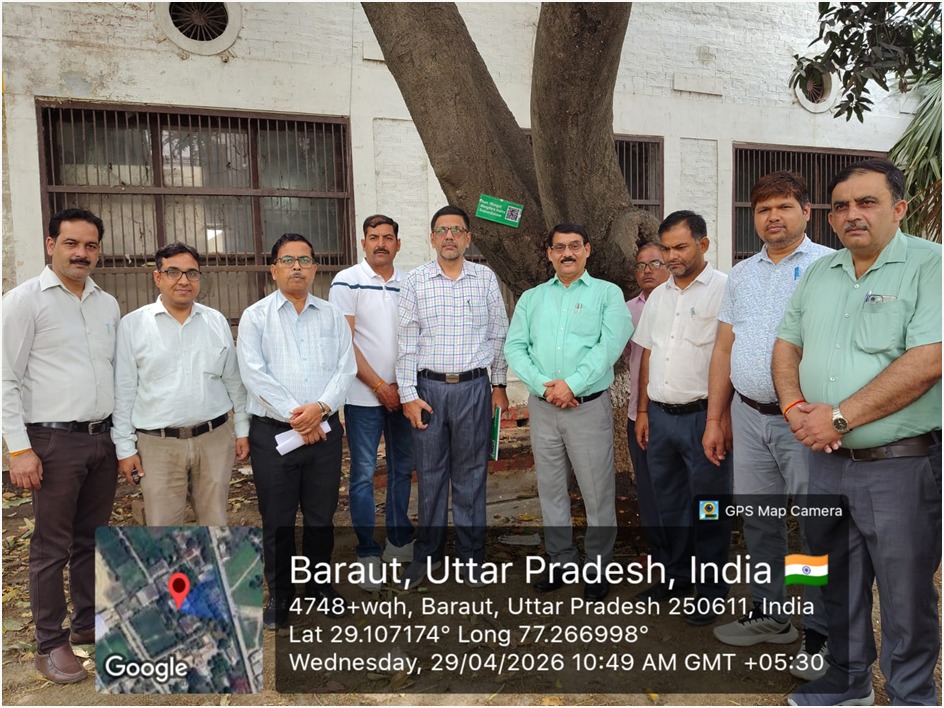
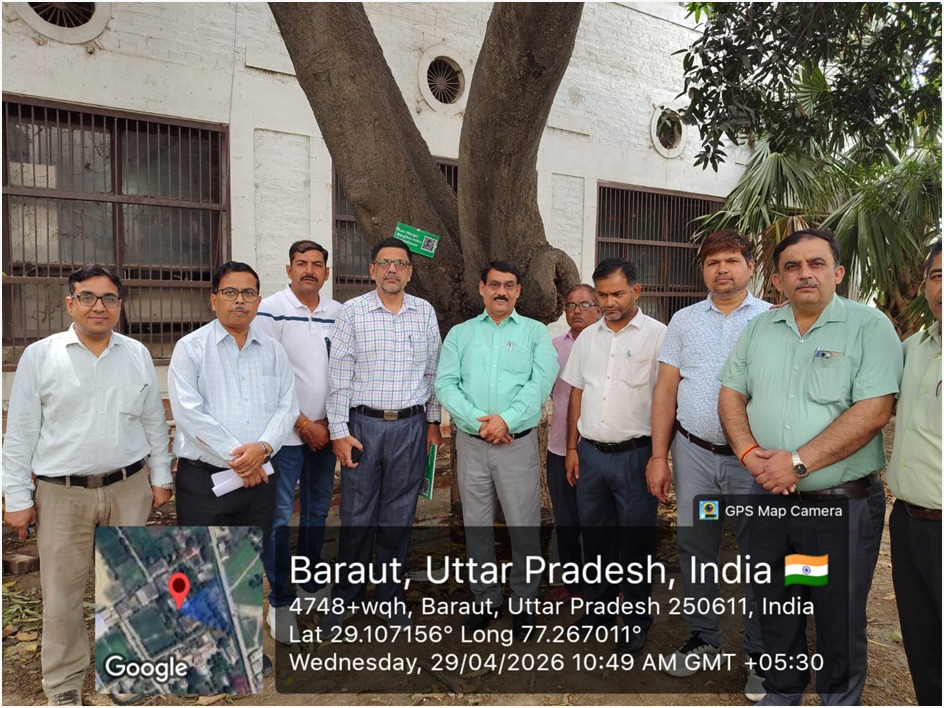
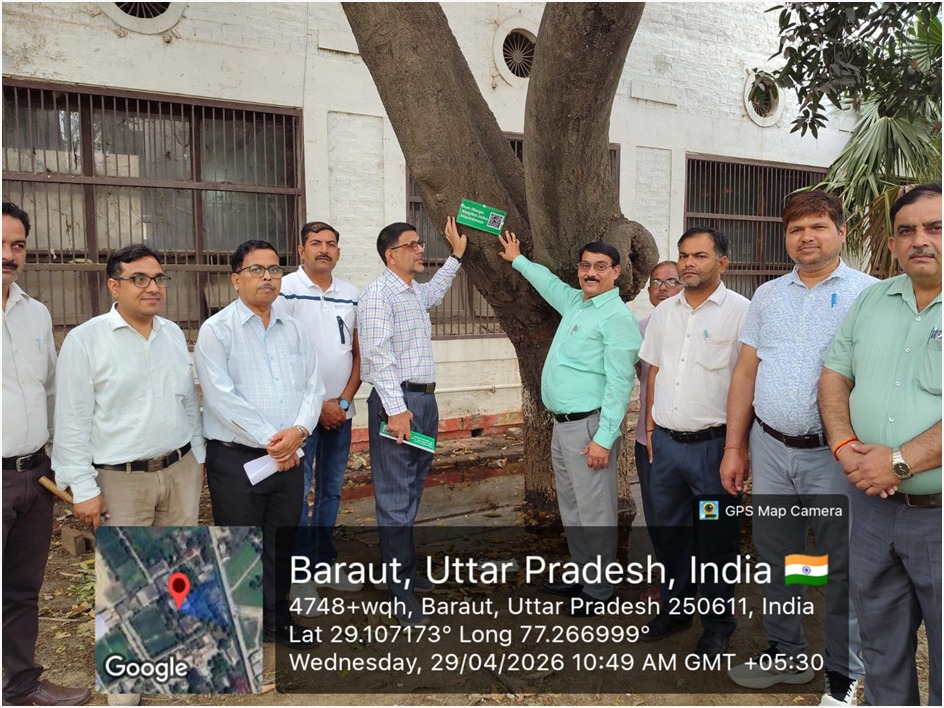
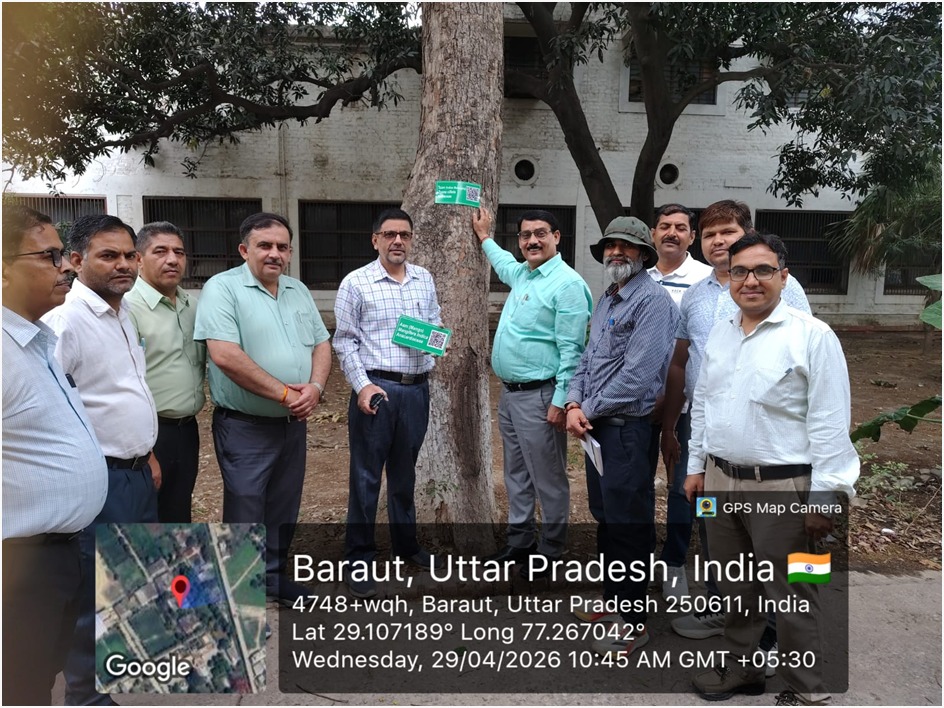
Labelling With QR code
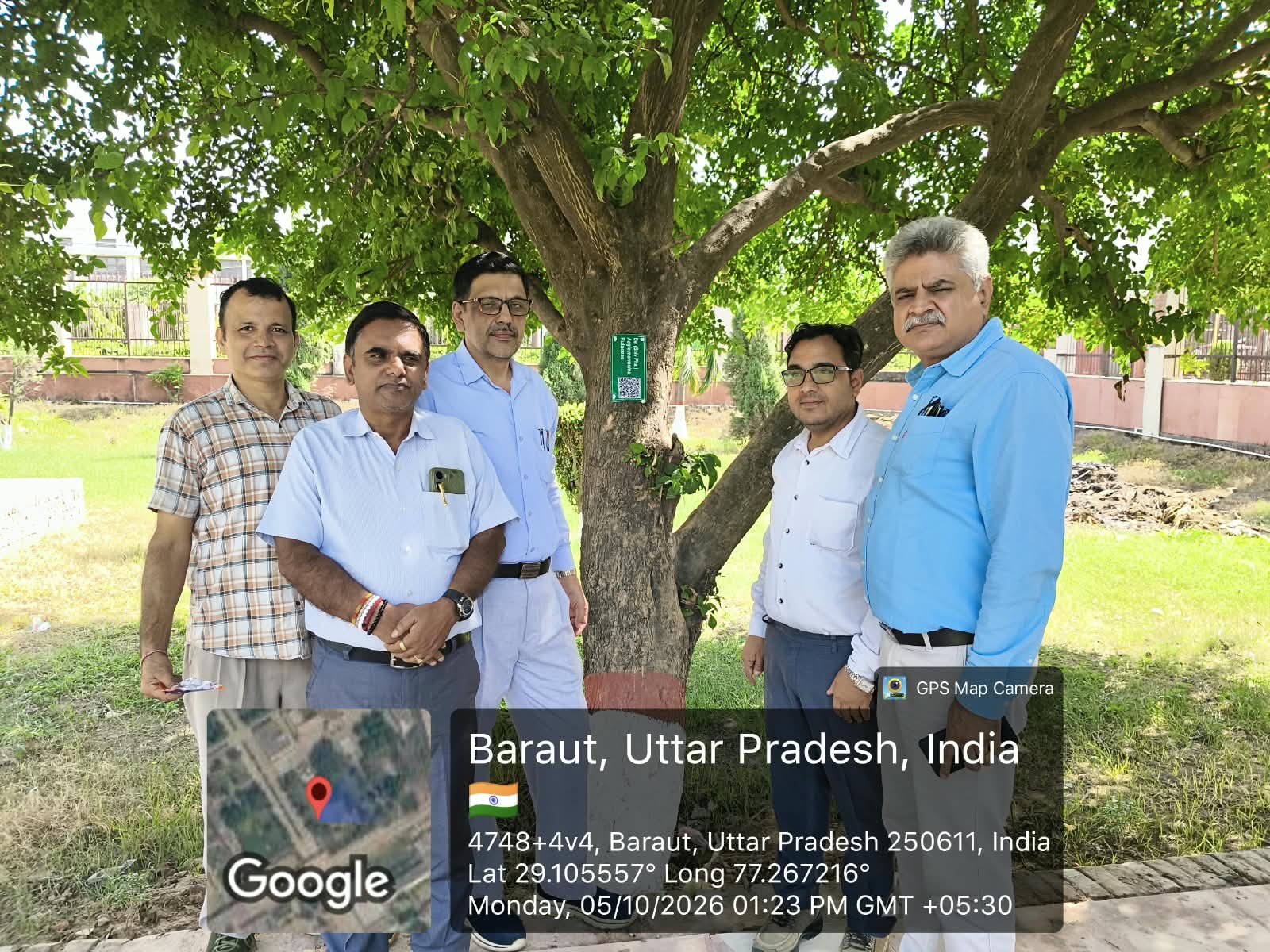
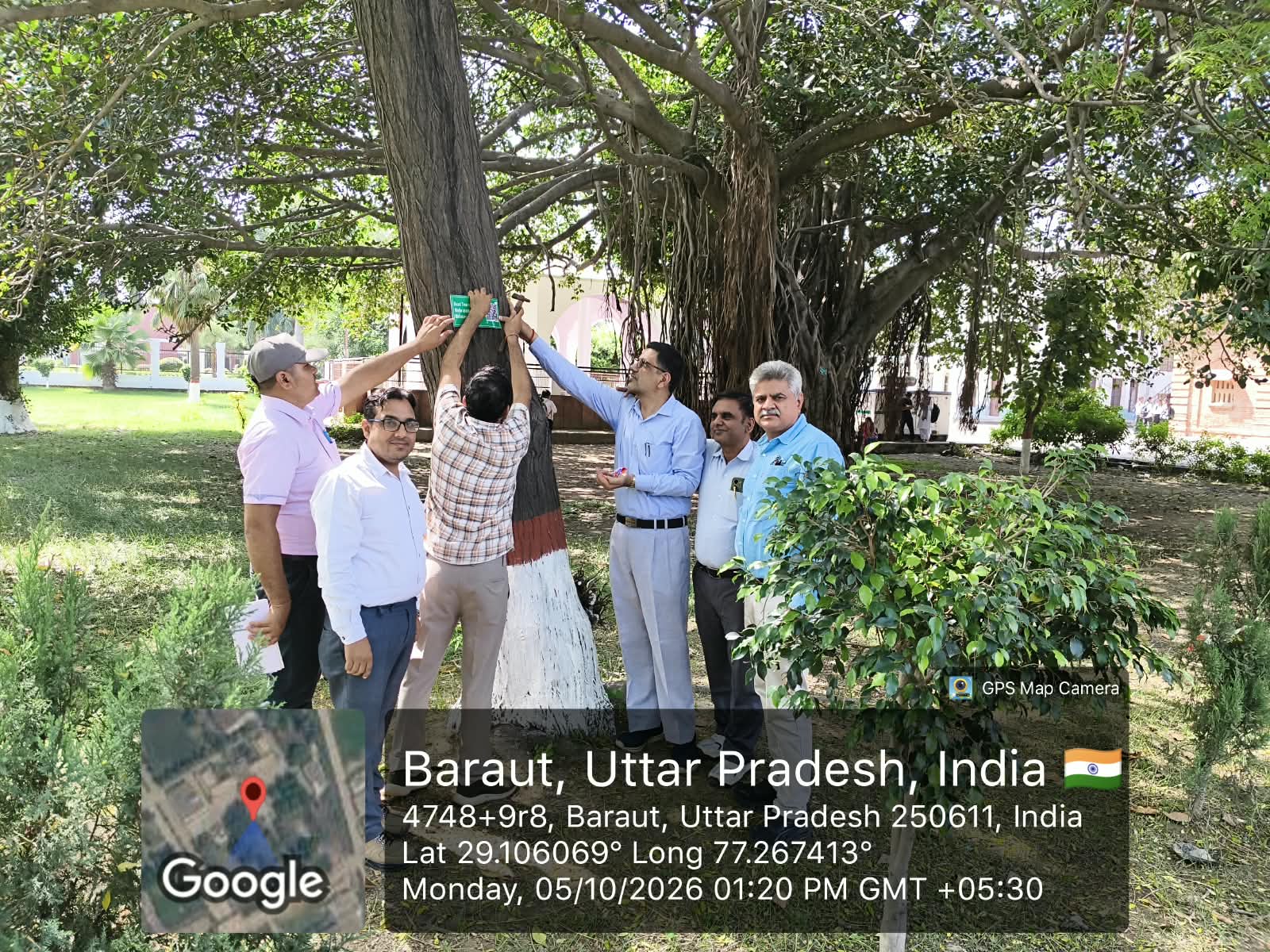
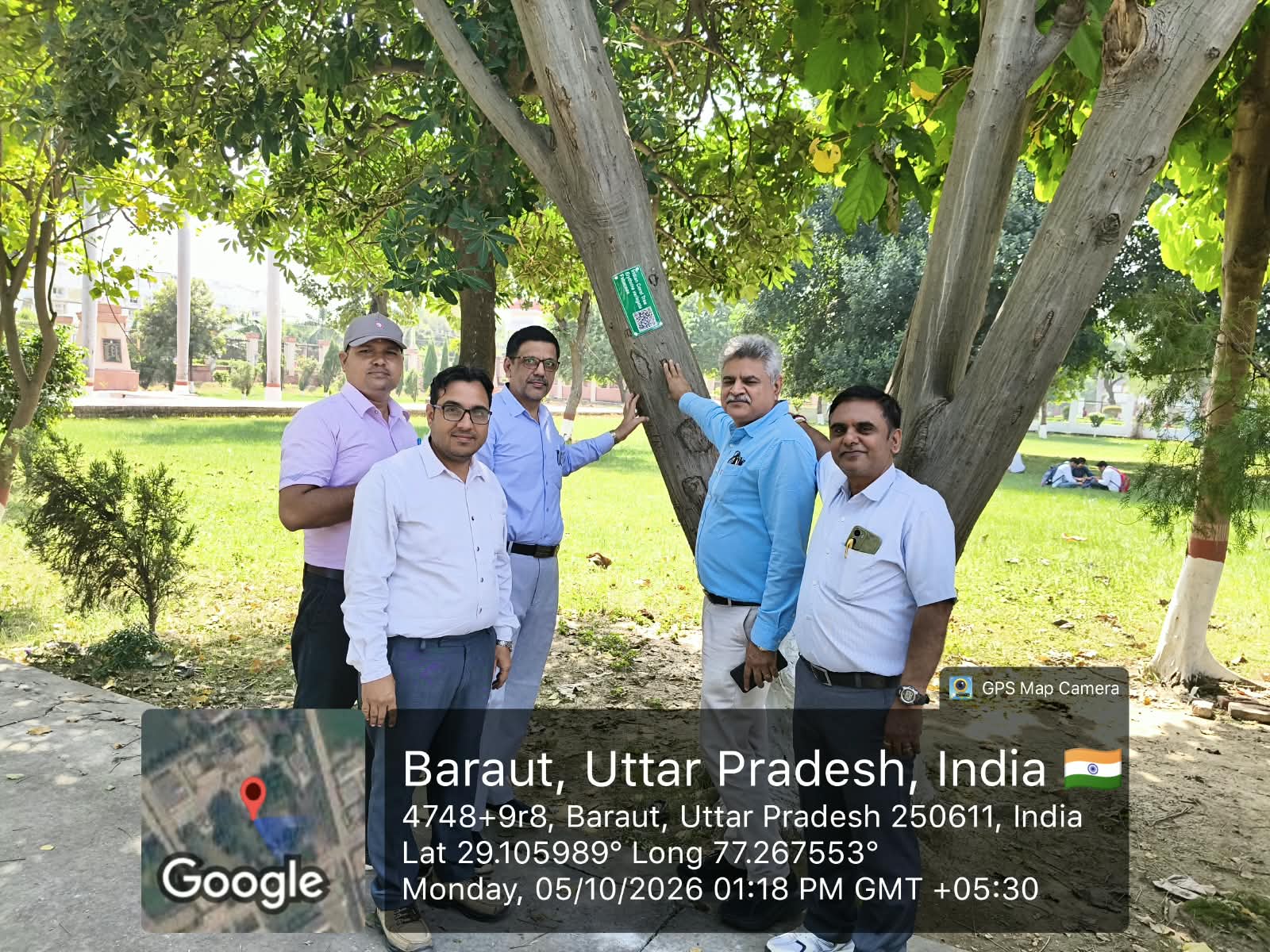
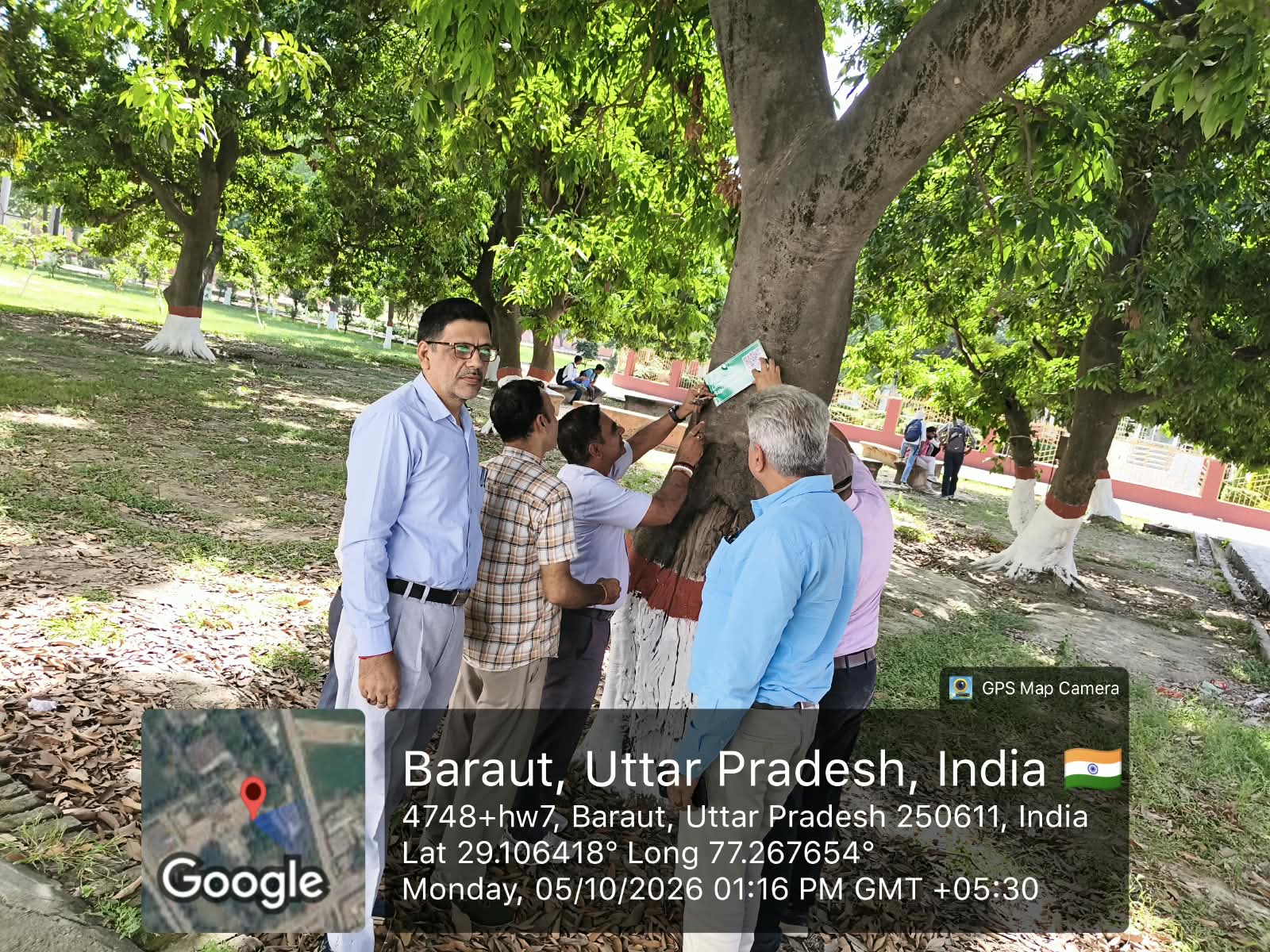
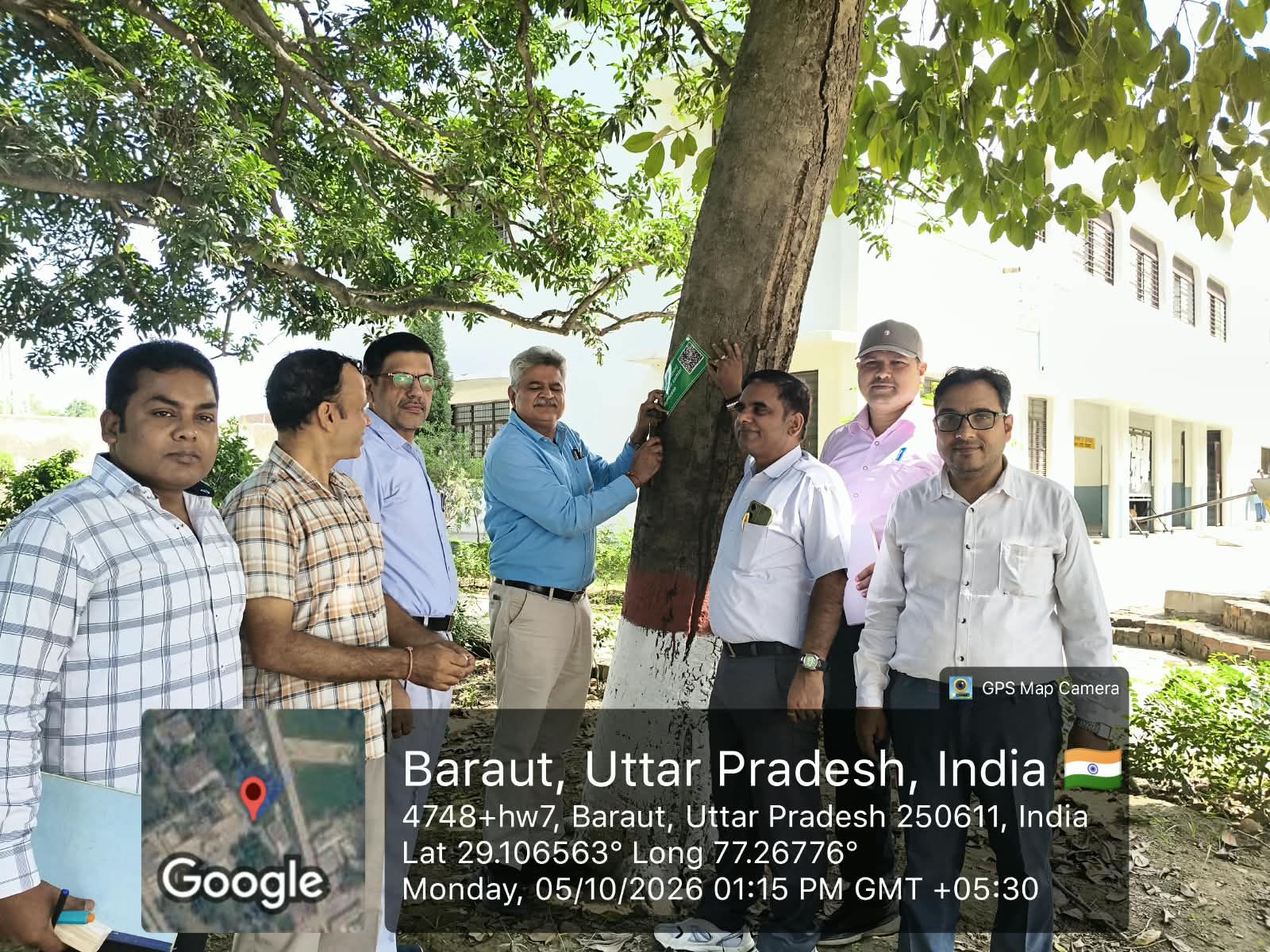
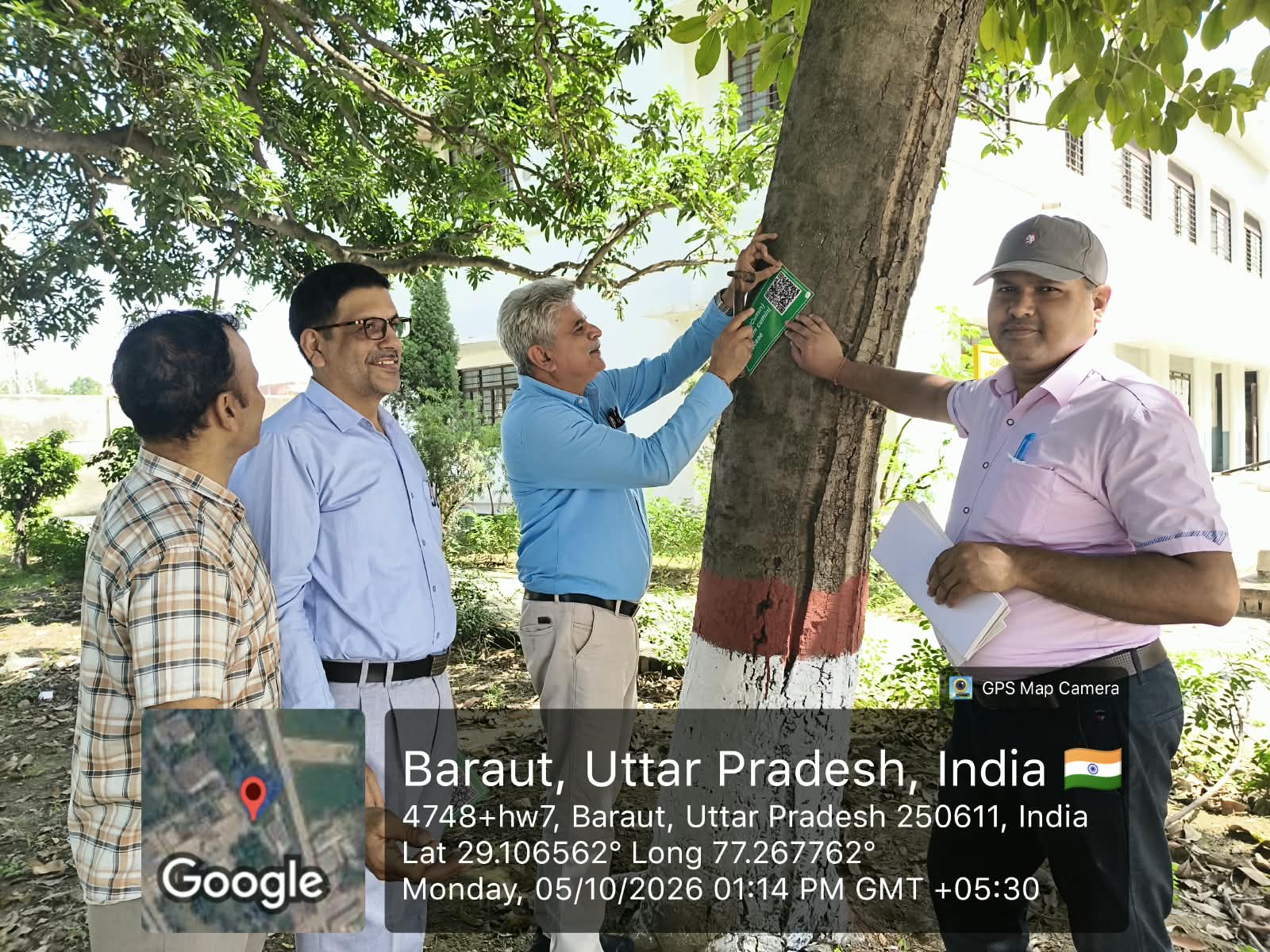
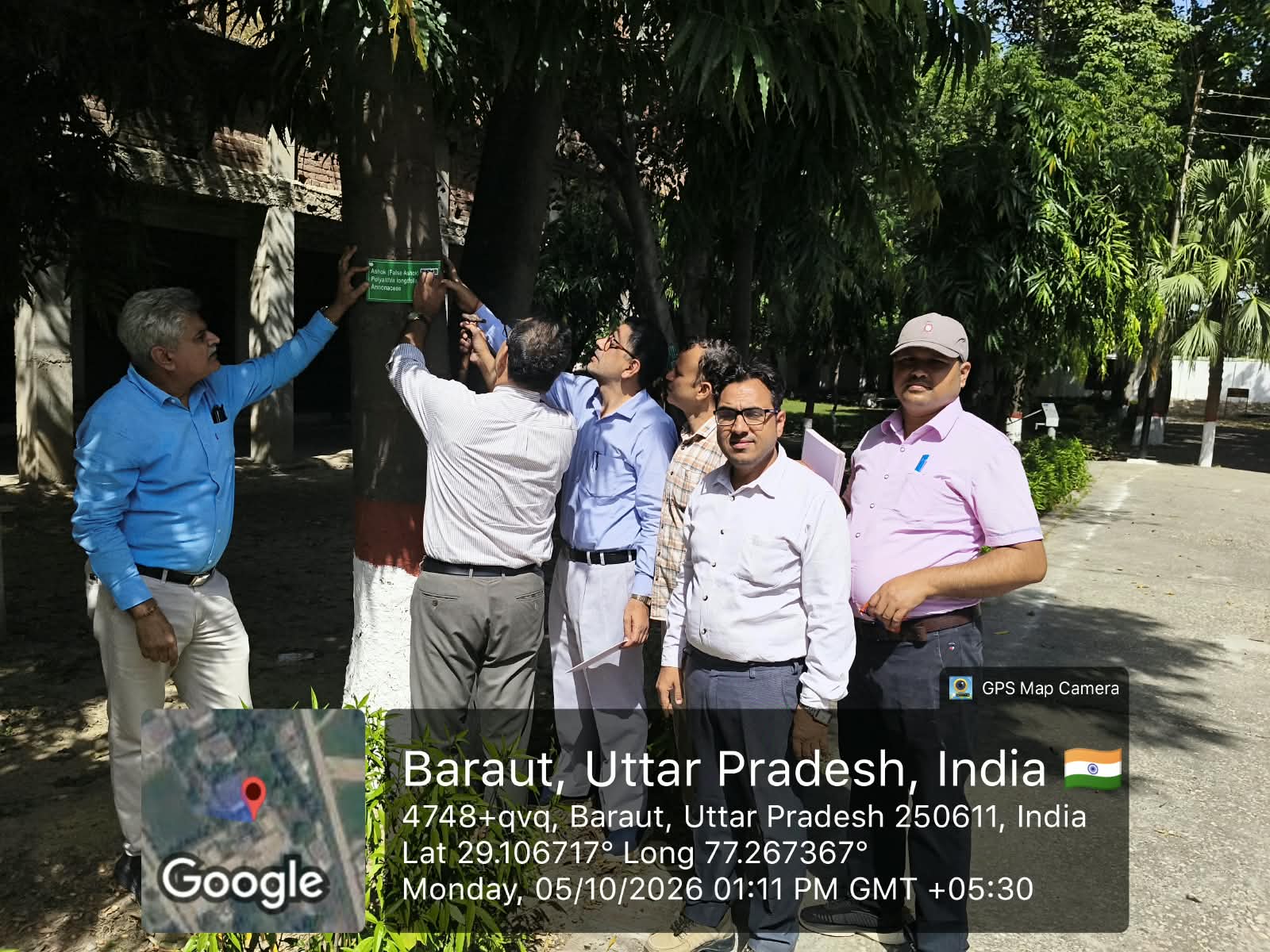
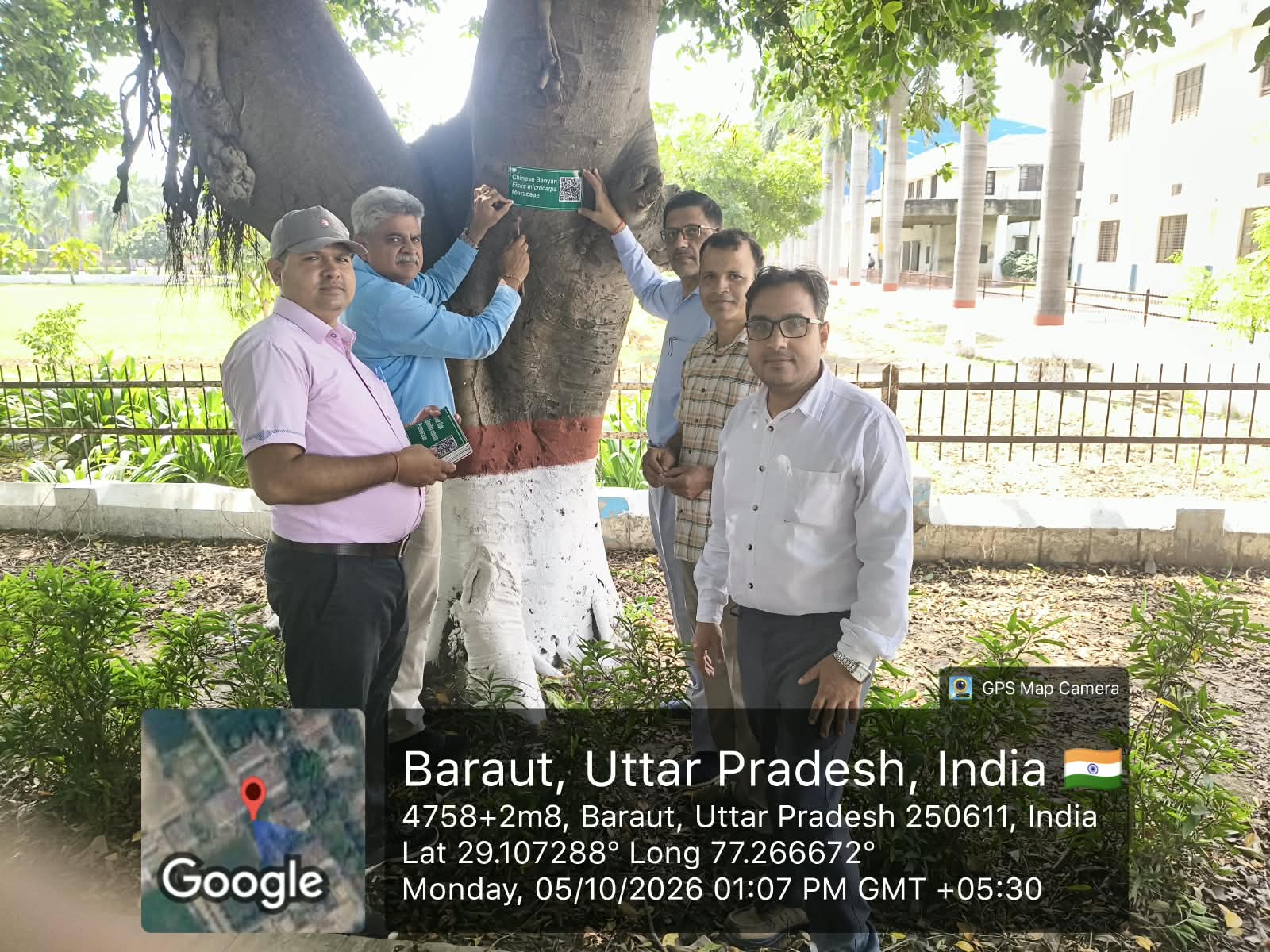
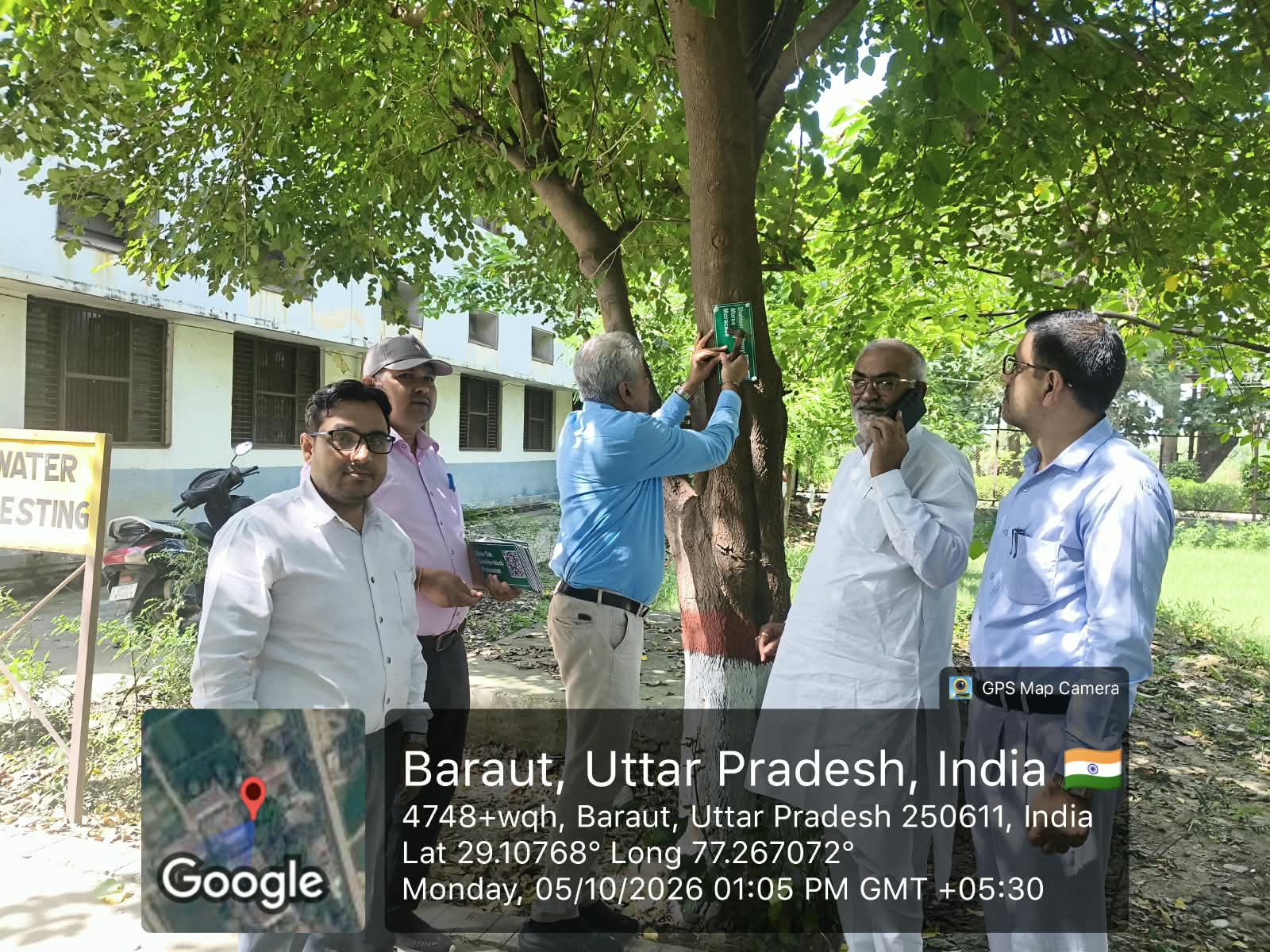
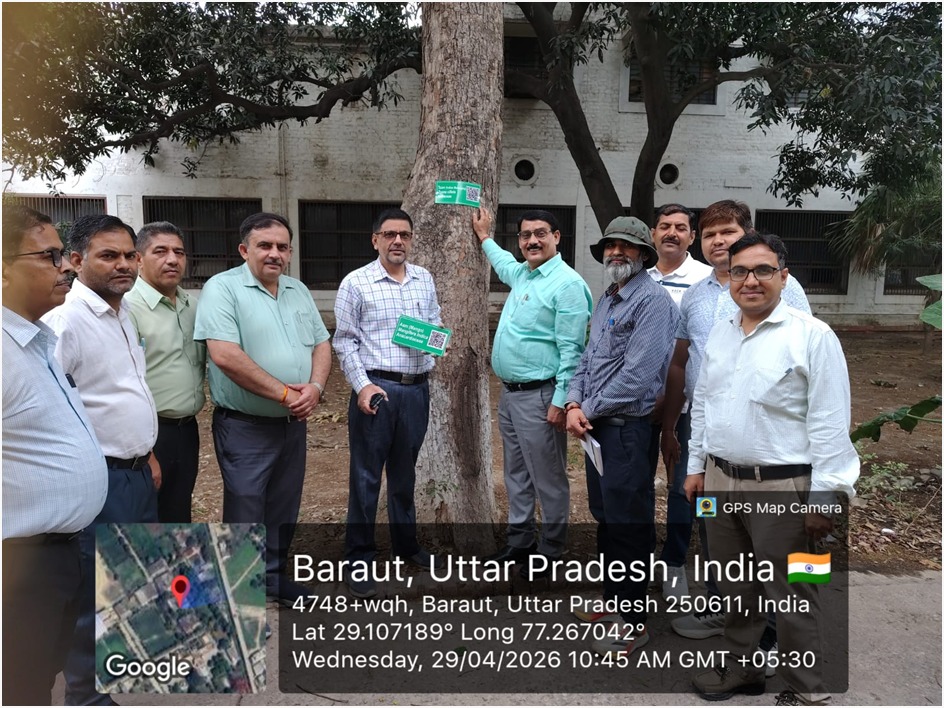
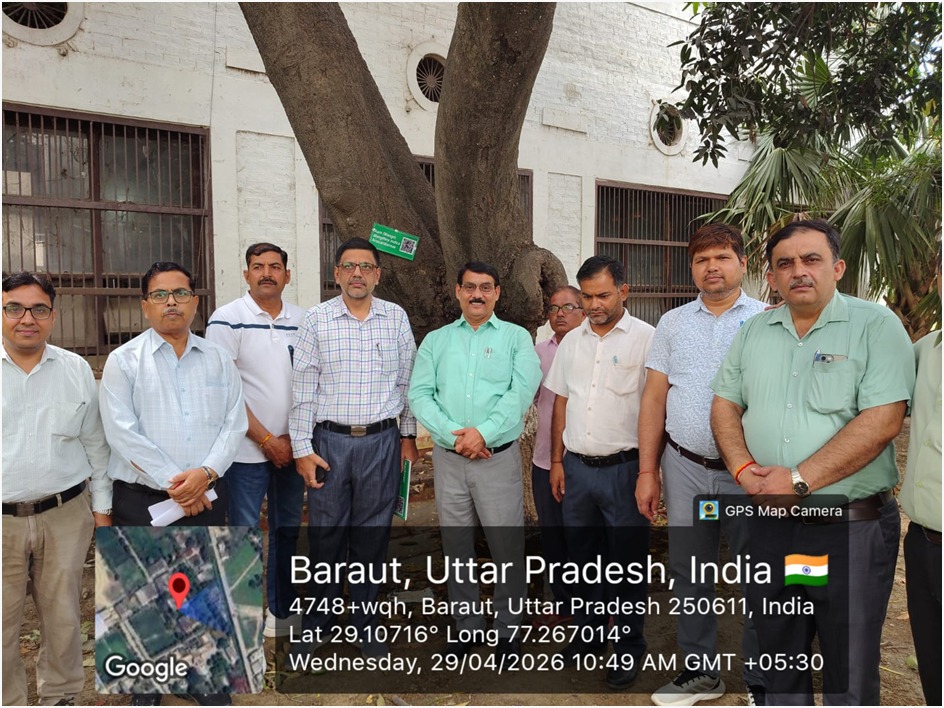
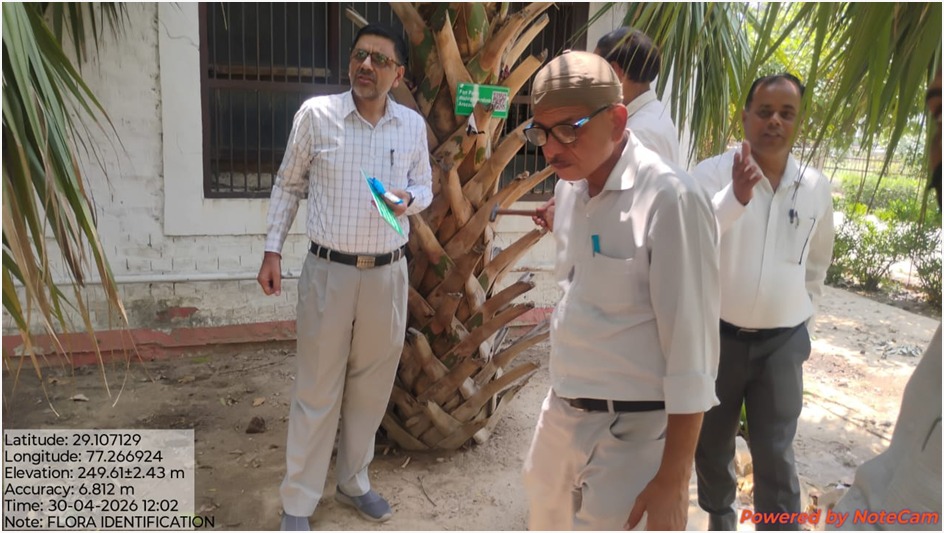
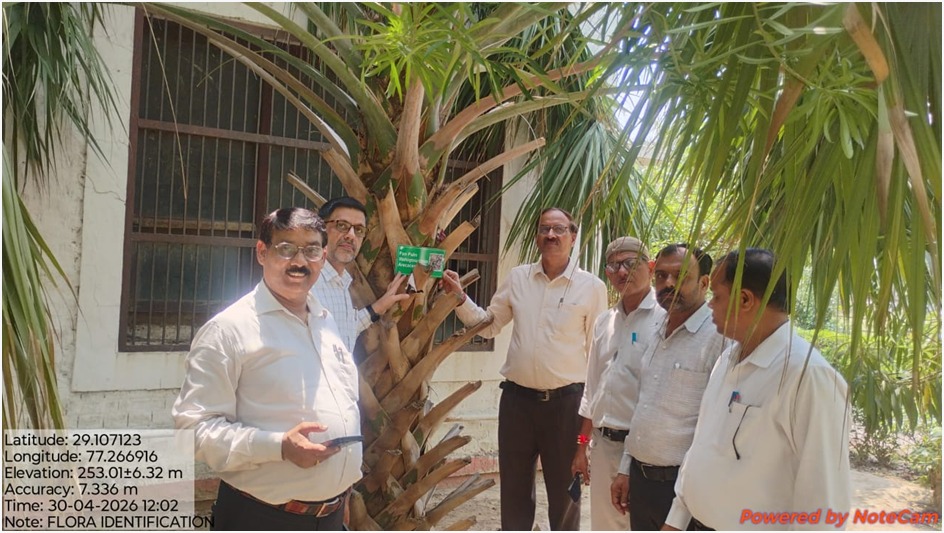
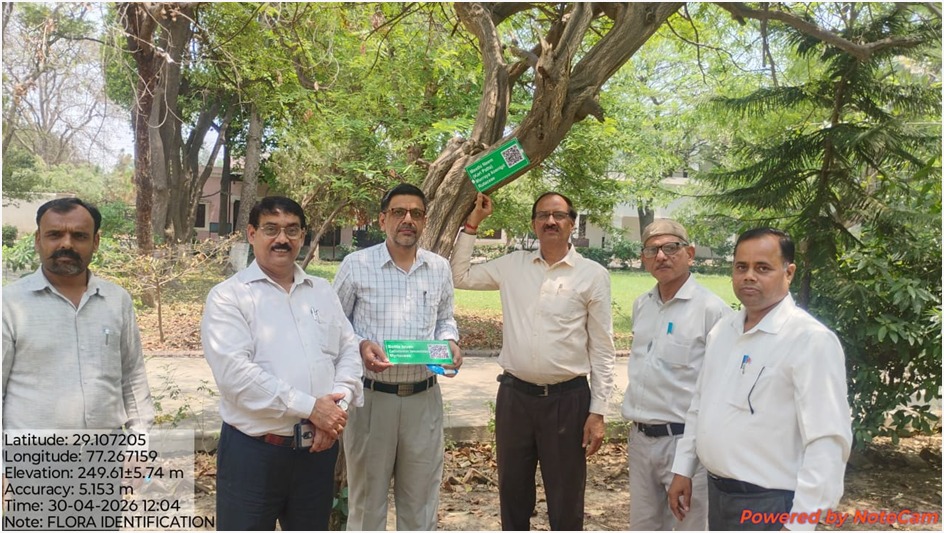
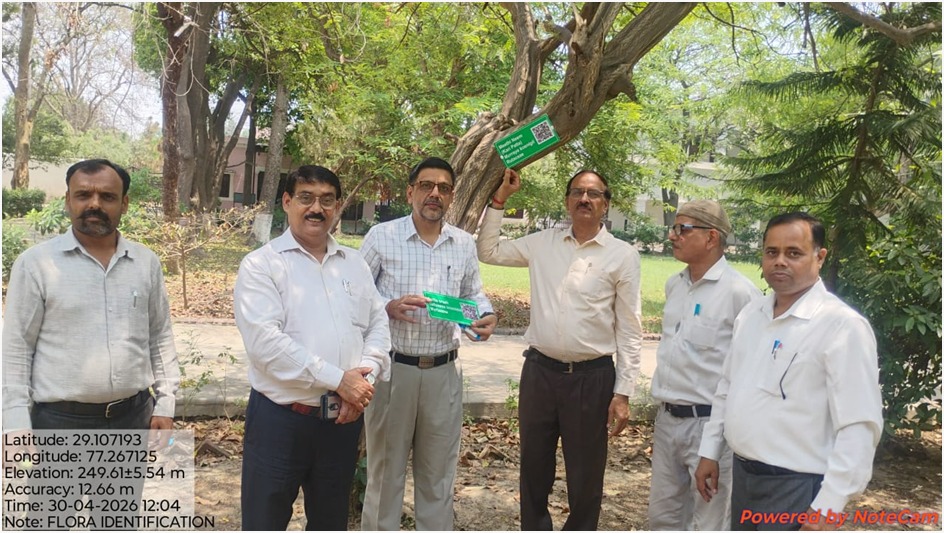
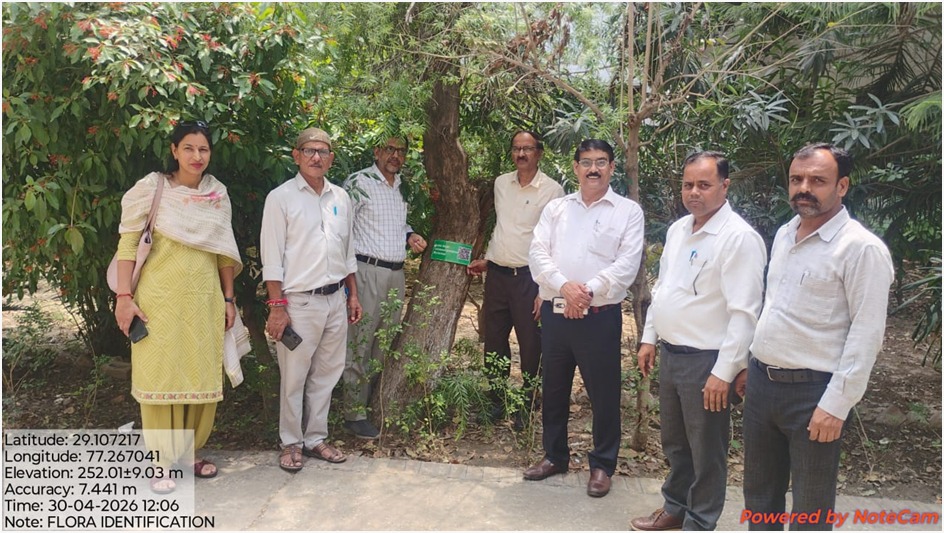
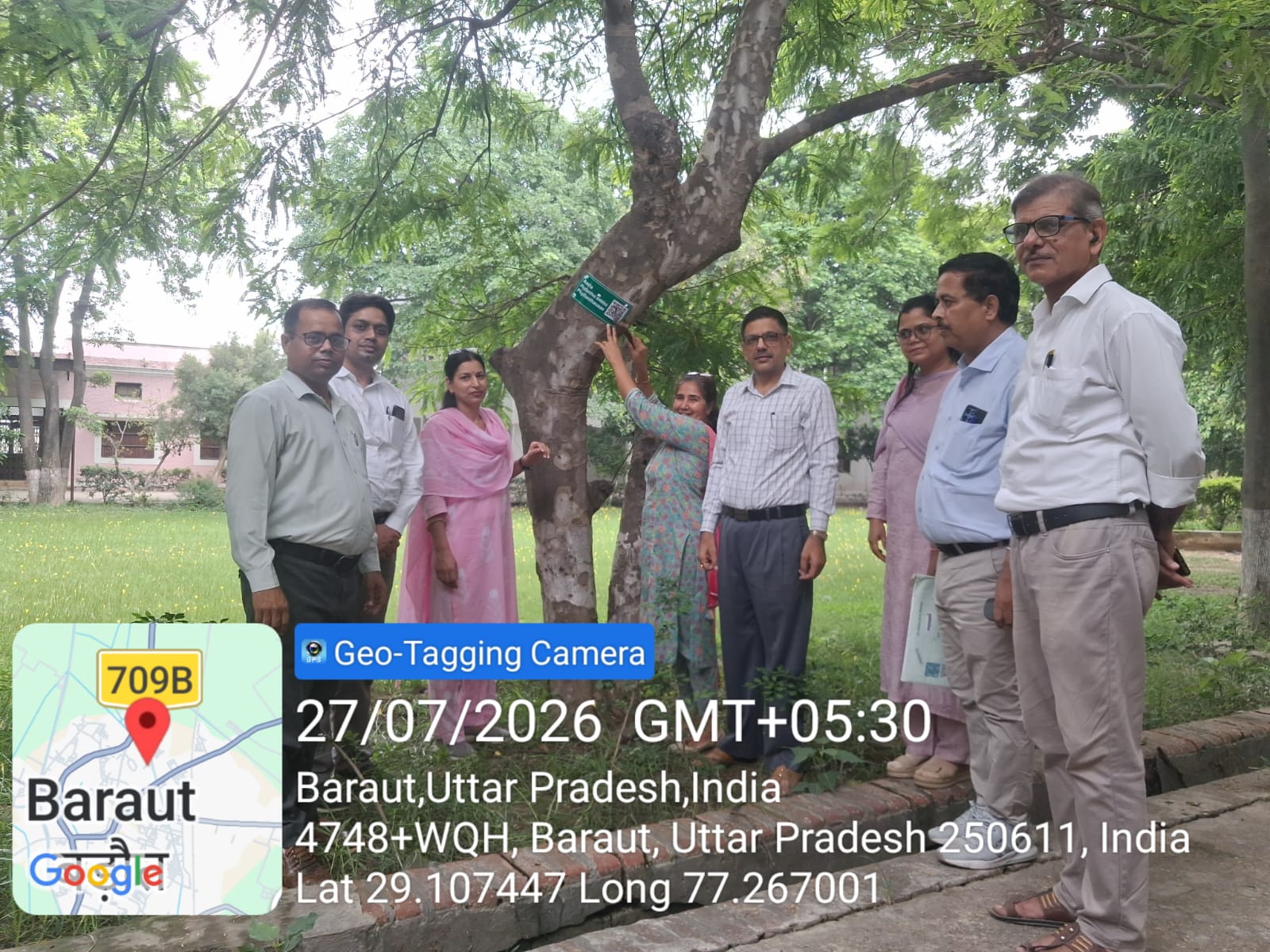
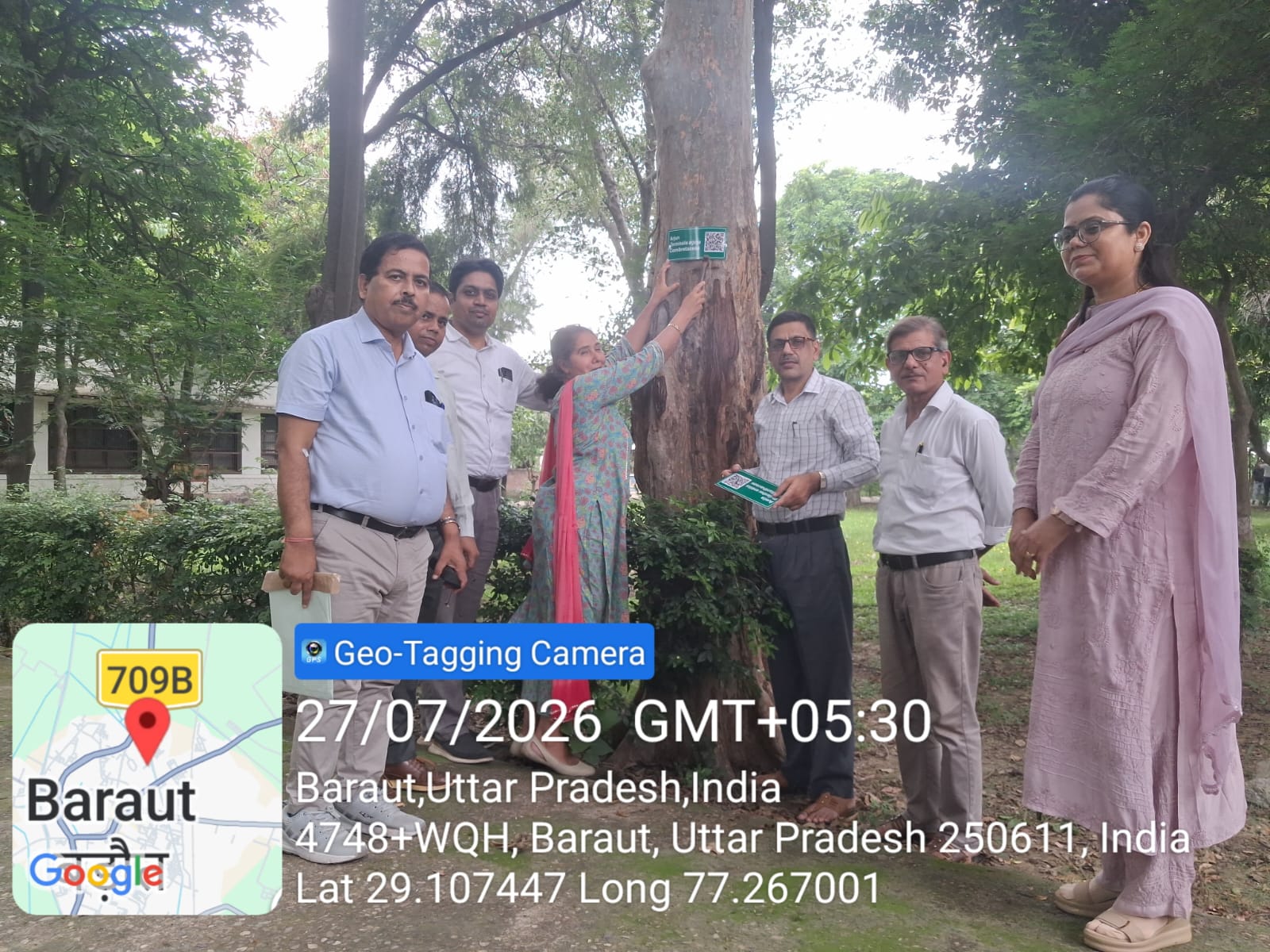
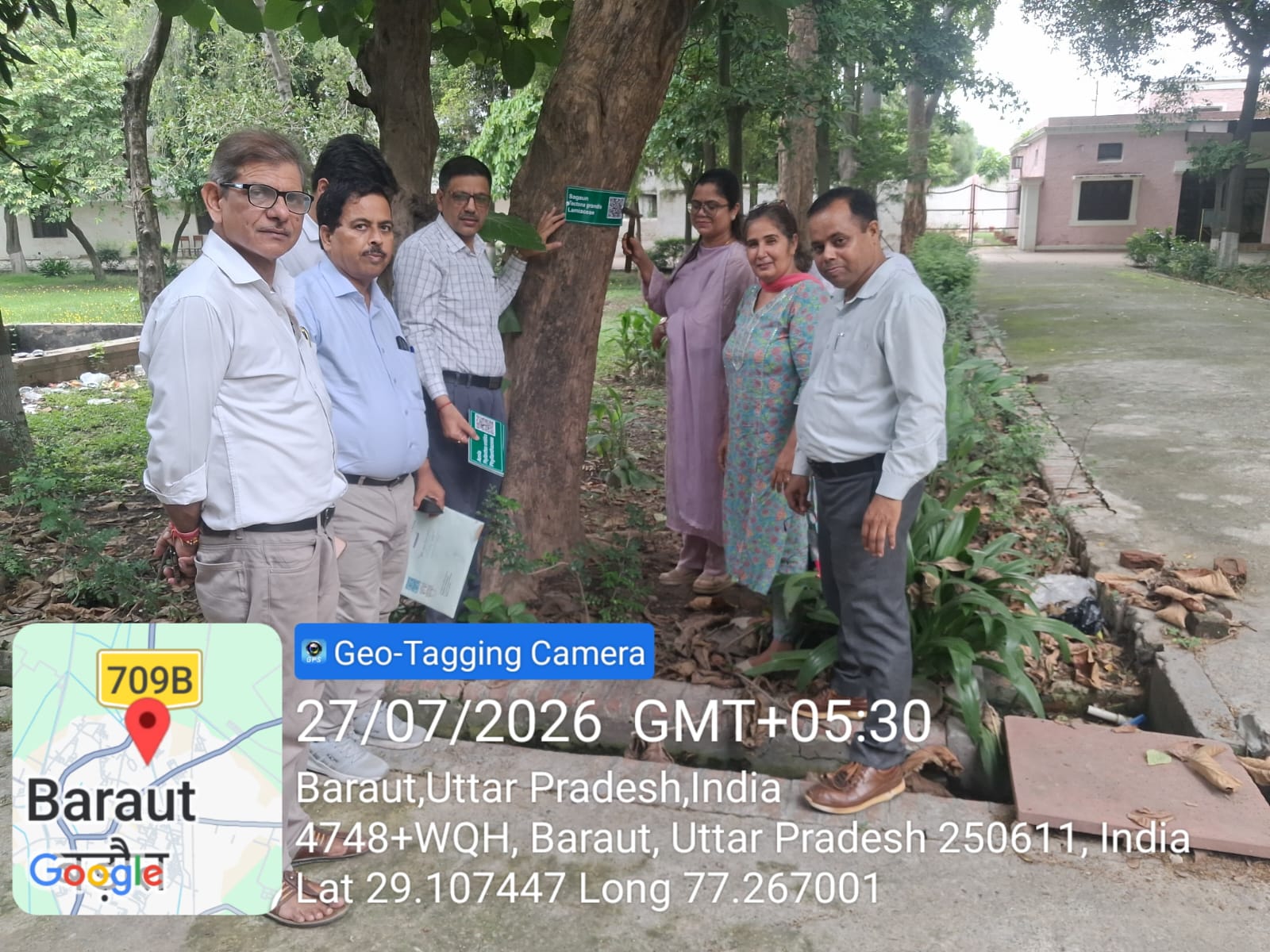
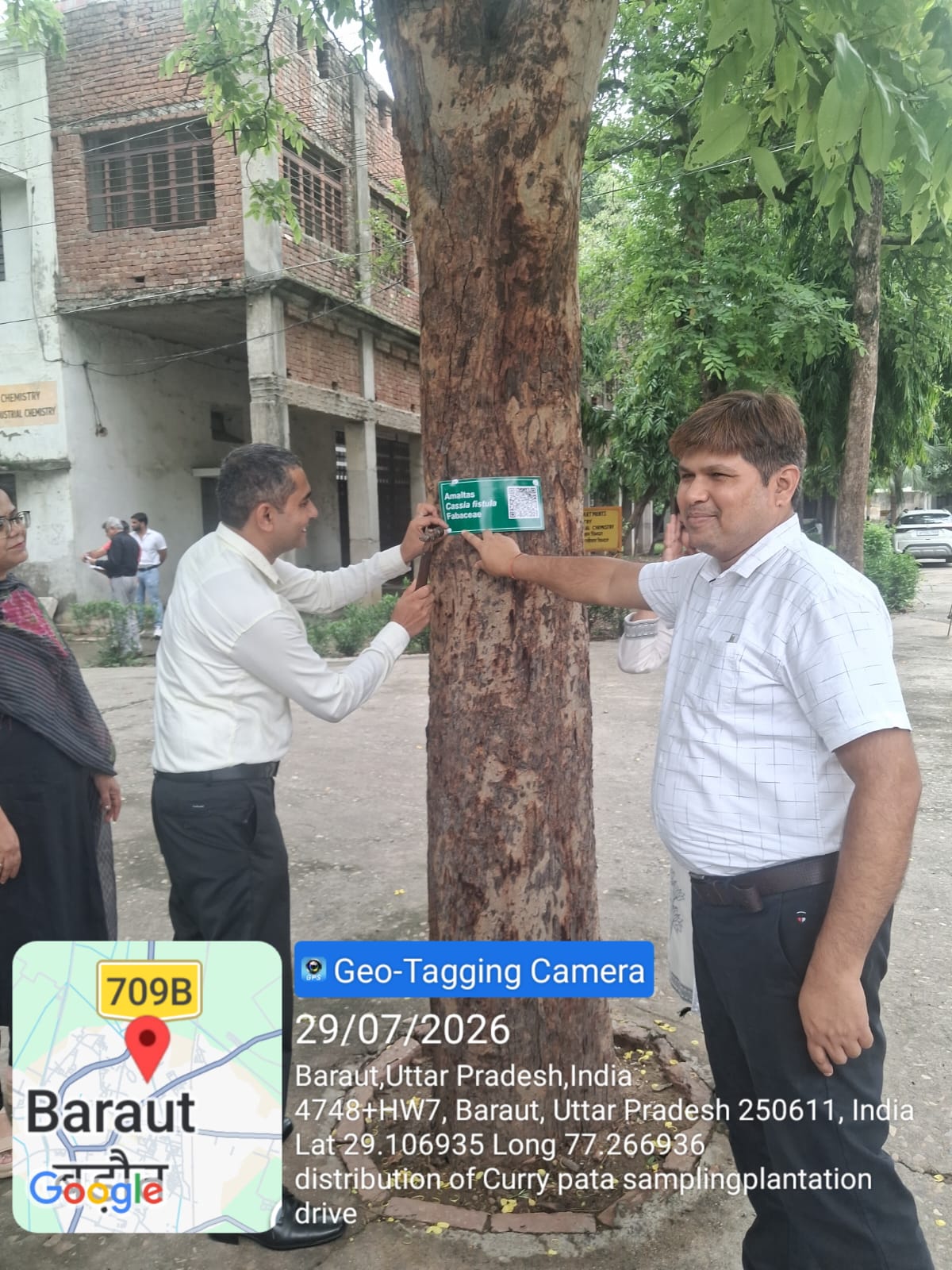
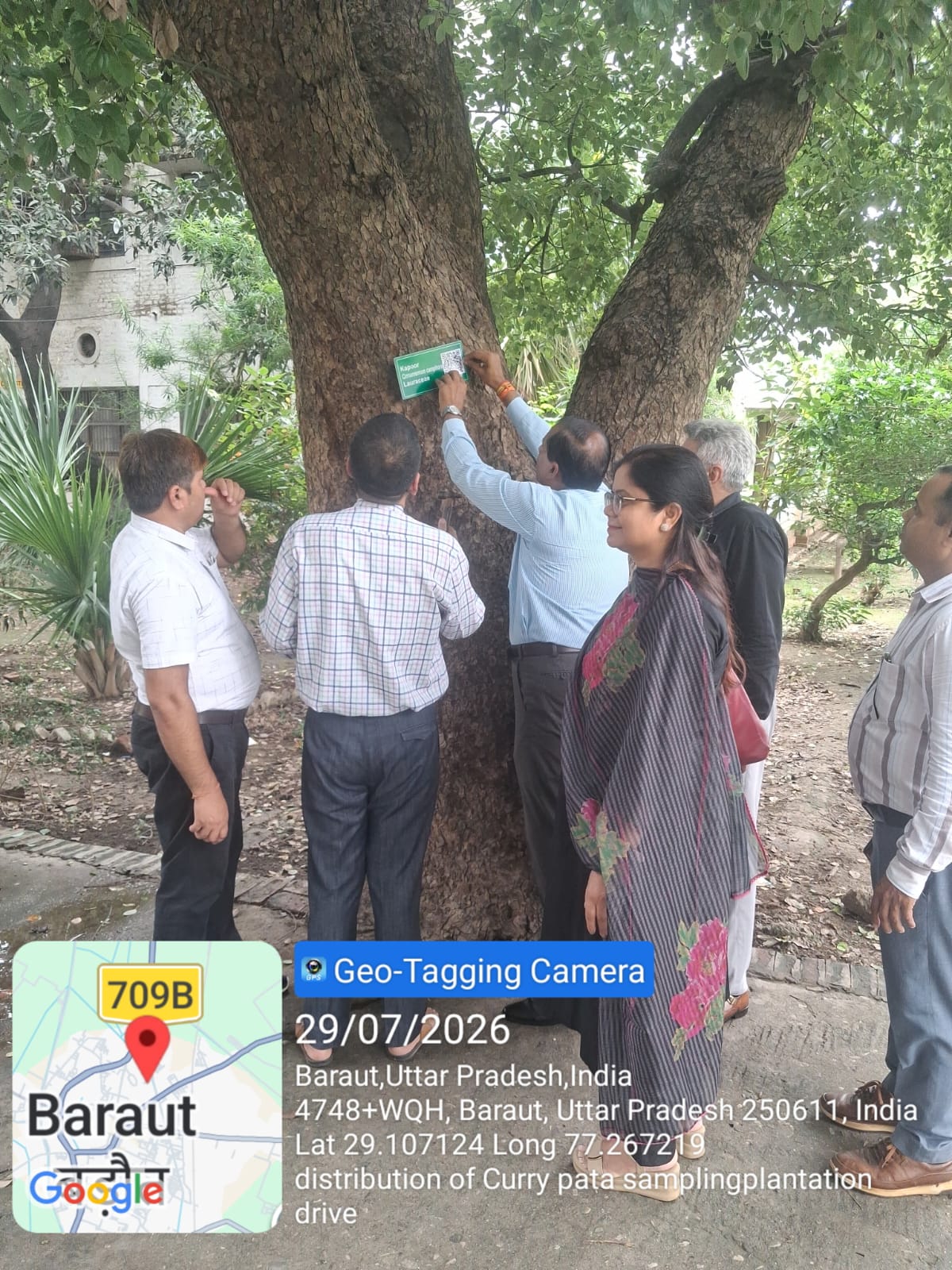
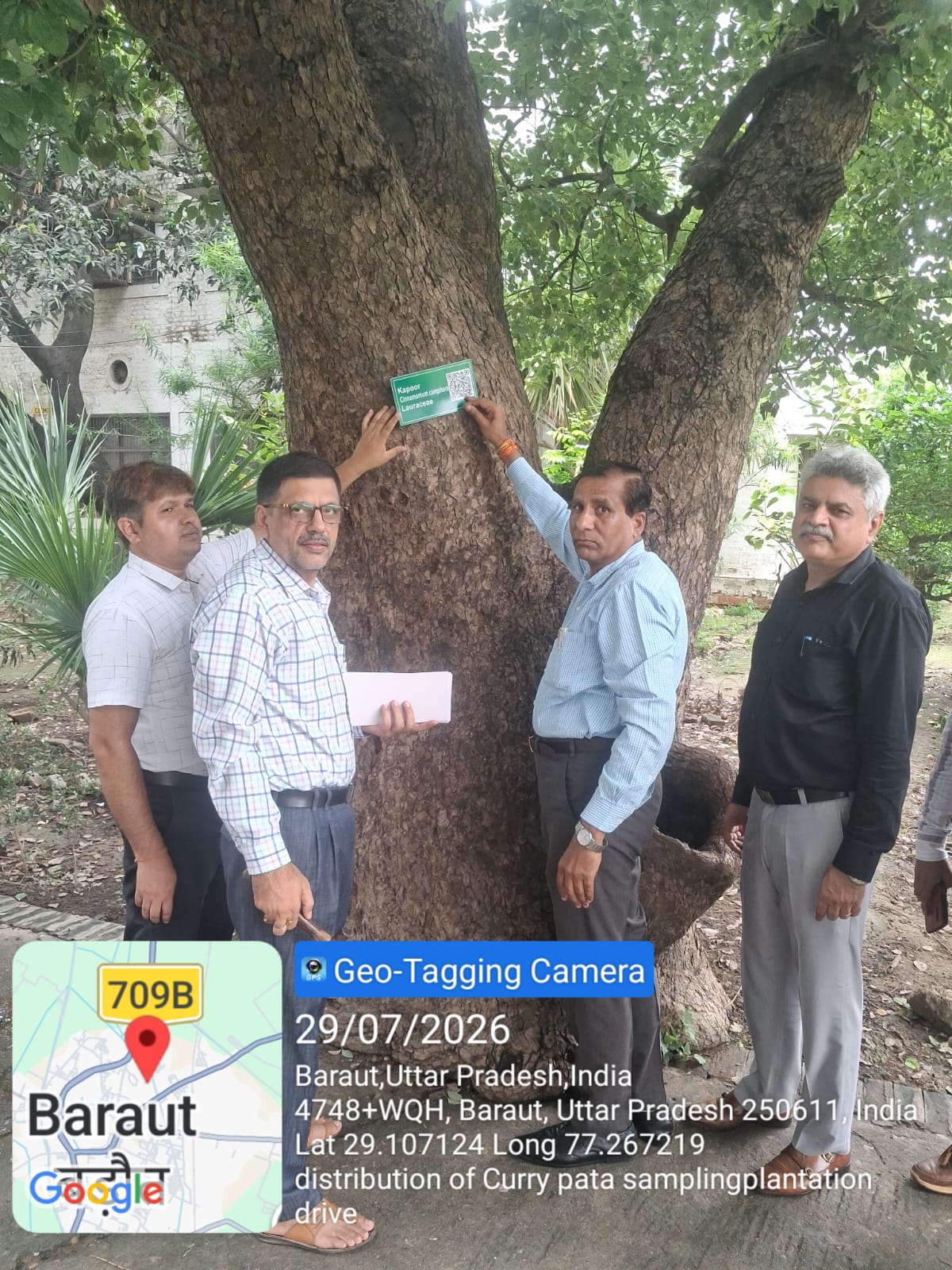
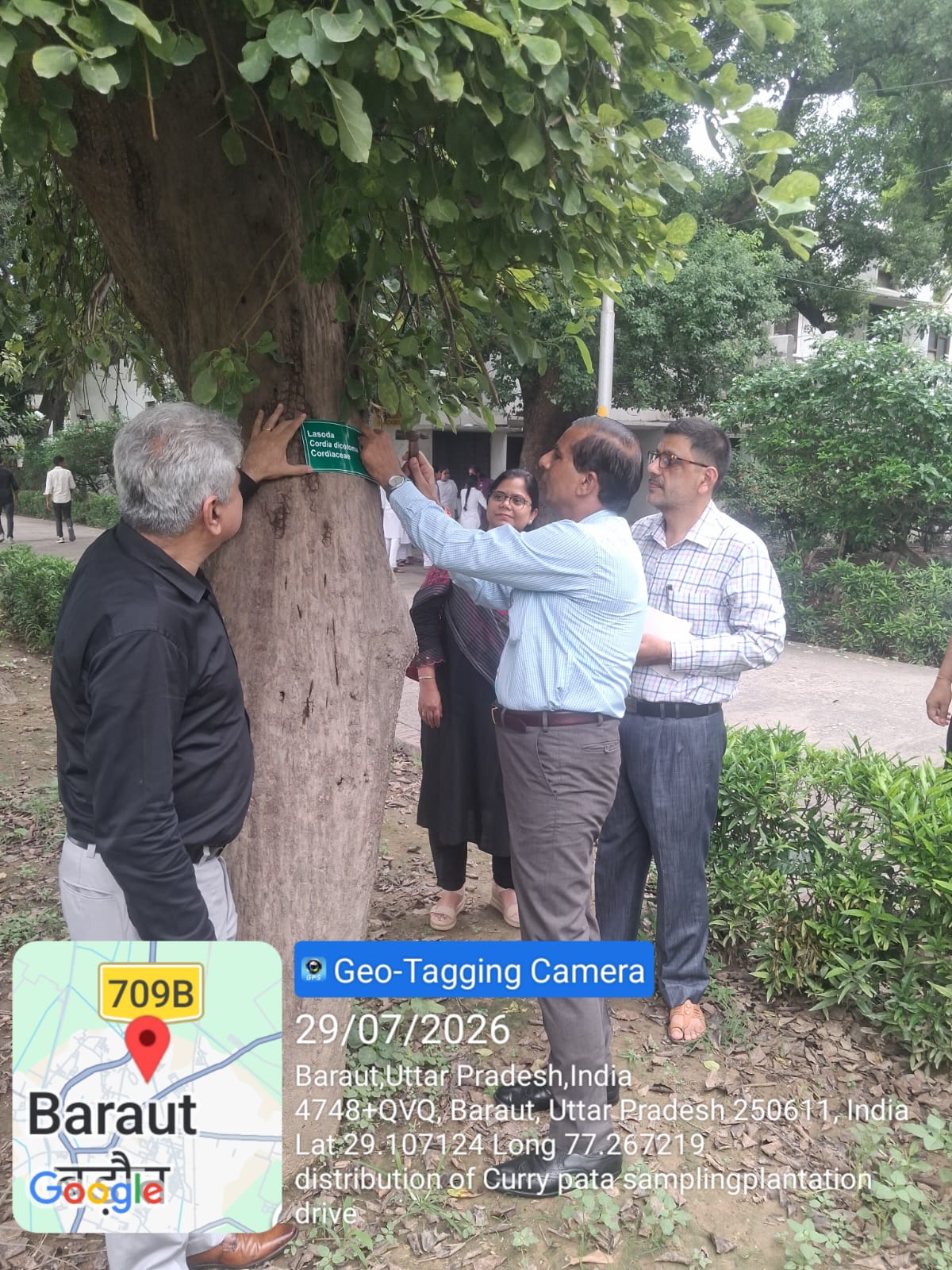
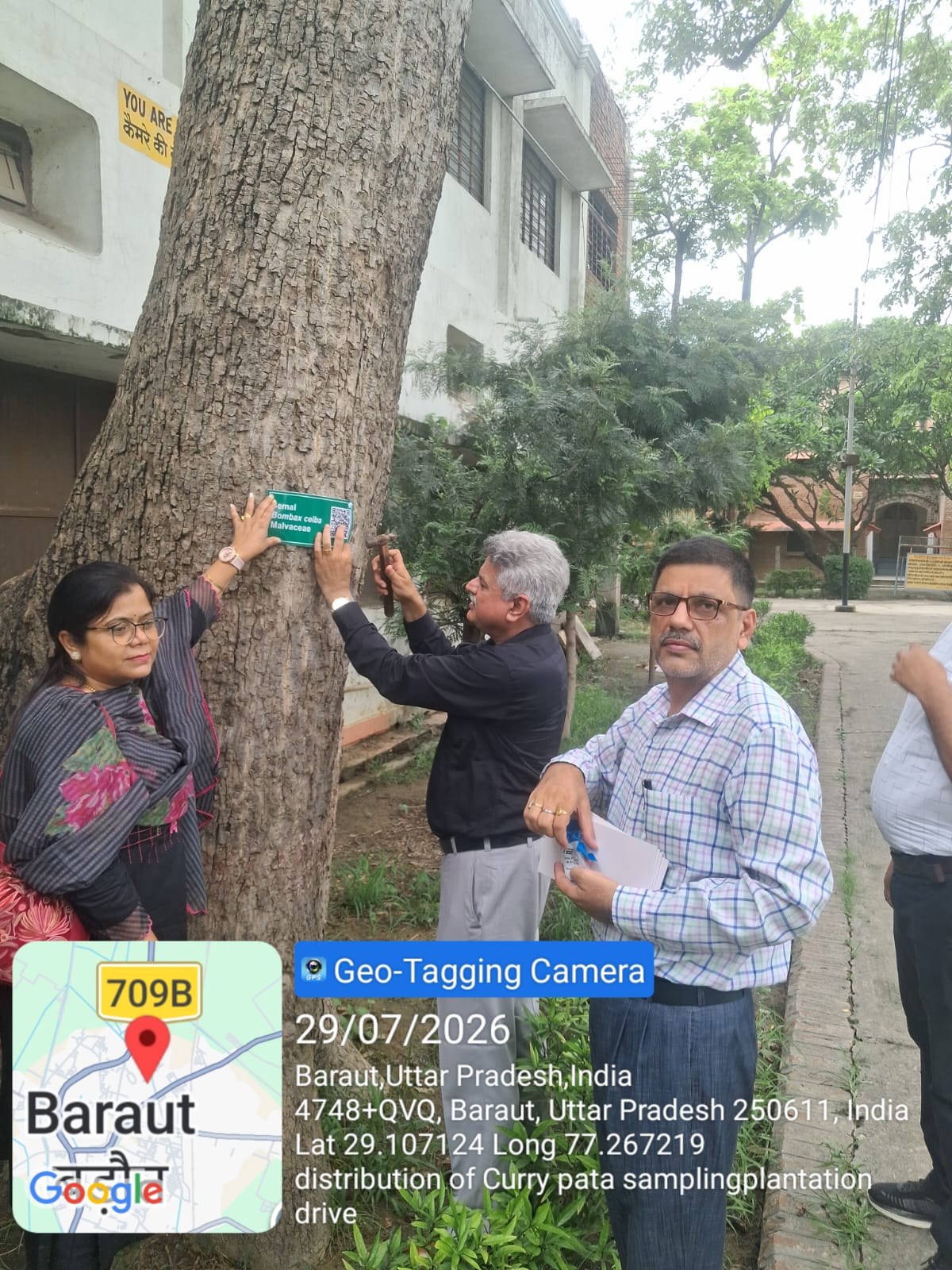
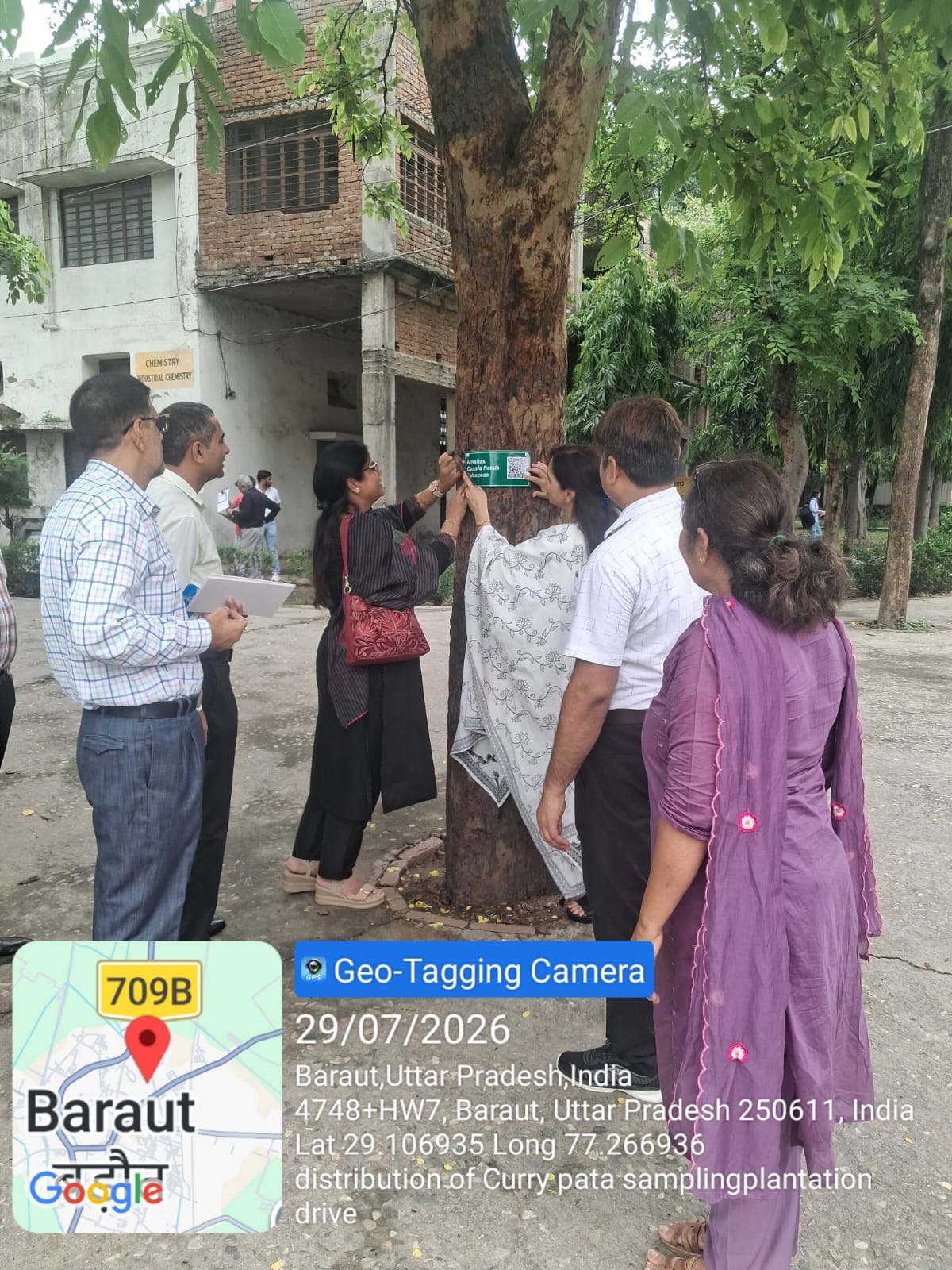
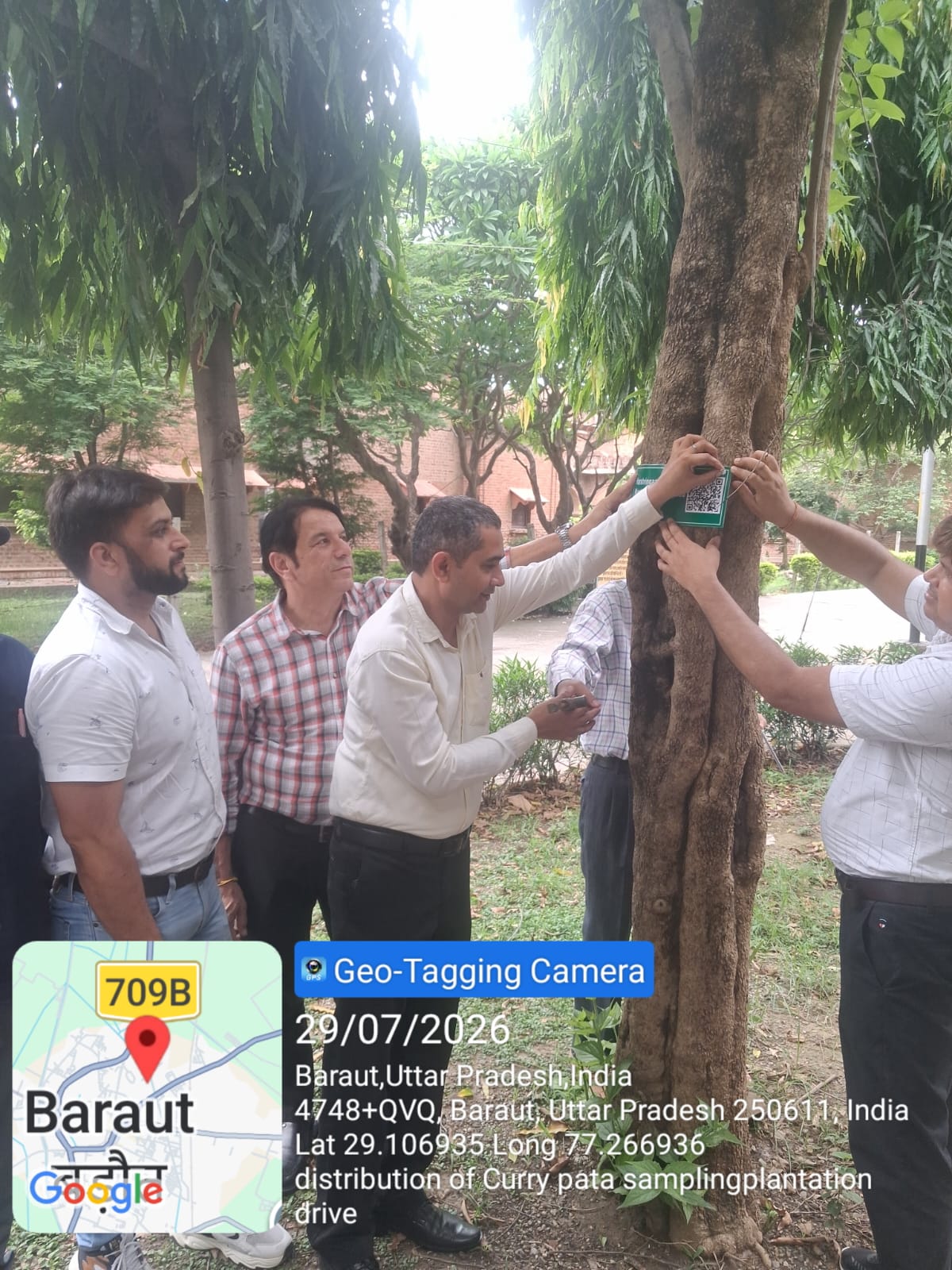
Out of the 78 trees identified within the college campus, approximately 17 trees have already been labeled with QR codes to provide detailed information and easy access for students and visitors. This initiative aims to promote environmental awareness and enhance learning by integrating technology with nature. The remaining trees are also planned to be labeled very soon, ensuring that the entire campus becomes an informative and interactive green space for everyone.